Filtering Out the Ick and Grit
Grit: Ick, you’re smelling particularly fowl today. Is that a new scent?
Ick: (Smiling manically) Why yes, it’s called Fermented Rodent. Do you like it?
Grit: Not really, it’s making my abrasiveness sharper than normal. I don’t know whether to thank you or grind you to dust.
Ick: Perfect, just what I was going for. We don’t need you to go smooth or anything. Next week I plan to break out the Summer Swine Farm just for you.
Grit: That will definitely sharpen my edges!
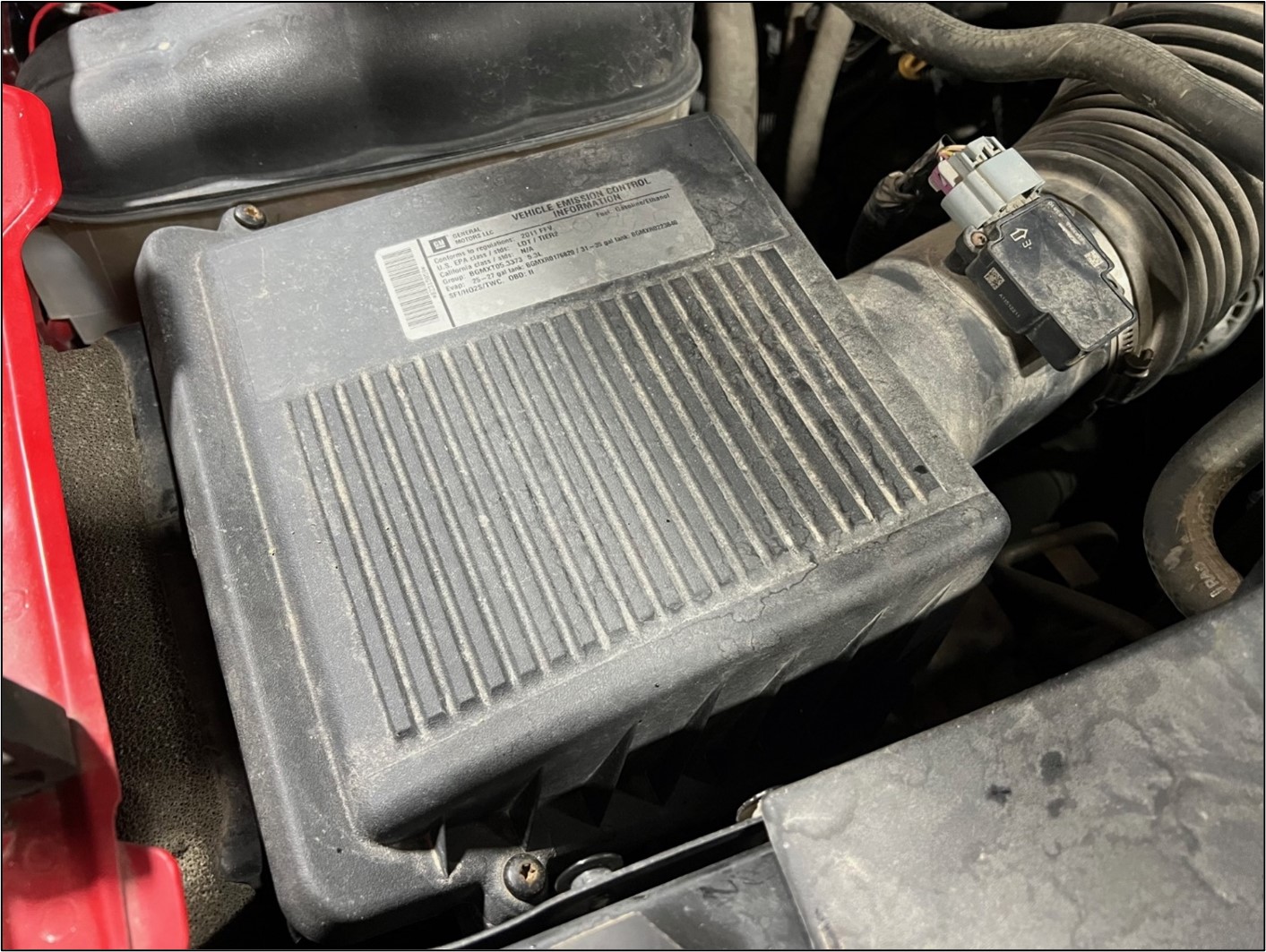
Vehicle air filters, both engine and cabin are designed to keep the grit, both large and fine, out of the engine and passenger compartment. The fine grit particles are very abrasive over time and can reduce the life of the vehicle engine and cause wear on the vehicle interior surfaces. It is very important that the engine has a significate source of clean air to keep it operating at peek performance. Keeping the fine dust particles, pollens, and allergens out of the passenger compartment improves the passenger comfort and quality of ride. Many modern cabin air filters have been improved to also filter out unwanted odors along with the other undesirable particles like ick and grit.
Most early vehicle engines only used a screen to filter out the big chunks of dirt and debris; some had no filter at all. Vehicle manufacturers began to realize that clean air entering the engine would reduce engine wear and extend the serviceable life of the engines. Vehicle air filtration started to progress and develop during the early 1920s.
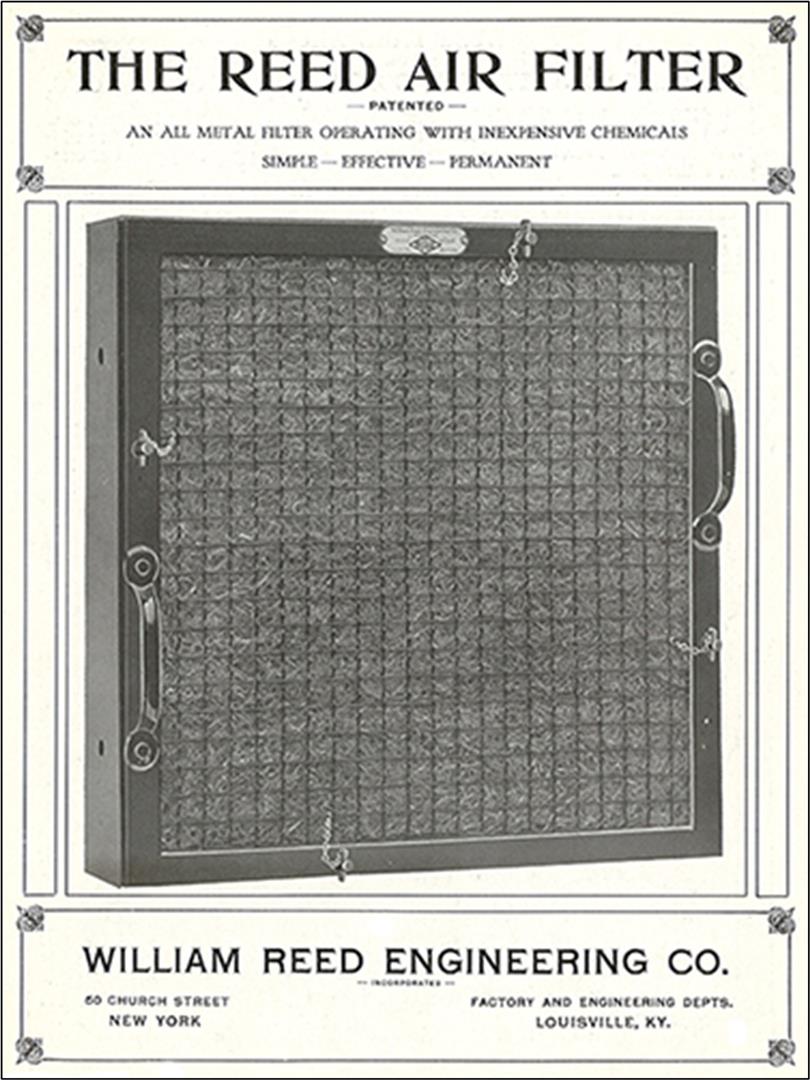
One key early developer was William (Bill) Reed, who operated an automotive paint shop. He grew frustrated with dust contaminating his freshly painted vehicles, particularly Model Ts repaired during the post World War I economic boom. To combat this, he devised a simple, yet innovative filter of steel wool sandwiched between two layers of chicken wire, encased in a wooden frame, which effectively captured airborne dust.
The “Reed Air Filter”, produced by the Reed Air Filter Company (1921-1924), is widely recognized as the first commercial air filter in the United States, making it the birth of the modern air filtration industry.
The first effective commercially produced vehicle engine air filter was an oil bath filter installed on a 1923 Cadillac Type V-63. An oil bath filter draws the incoming air through a pool of oil, trapping dust and dirt particles in the oil, allowing clean air to enter the engine. The oil in the filter was replaced during engine oil changes. It was an efficient method of cleansing the incoming air but does have some volume limitations and required regular maintenance to keep the system working properly.
Oil bath air filters remained common until the mid-1950s when they first developed oil-wetted batt-type engine air filters. Shortly after, FRAM developed the first dry-type pleated air filters, which is the most common type of air filter used in vehicles today.
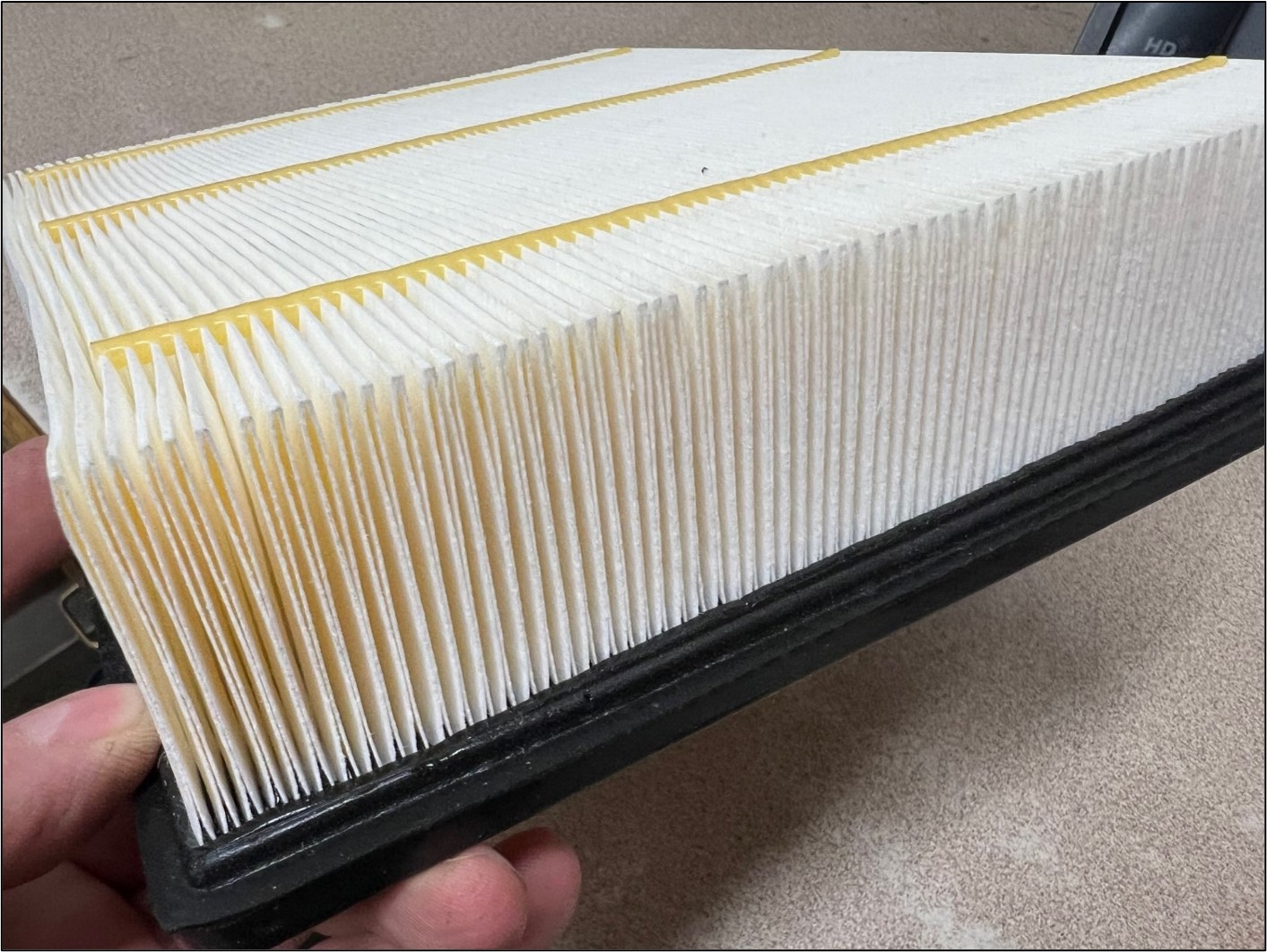
Dry, pleated air filters have many advantages over the early oil bath filter designs. They are much easier and cleaner to service, cost less to manufacture, last longer, offer more design options to fit tight areas, flow better throughout their life, and work better in cold weather. Generally, just a better choice for automotive applications.
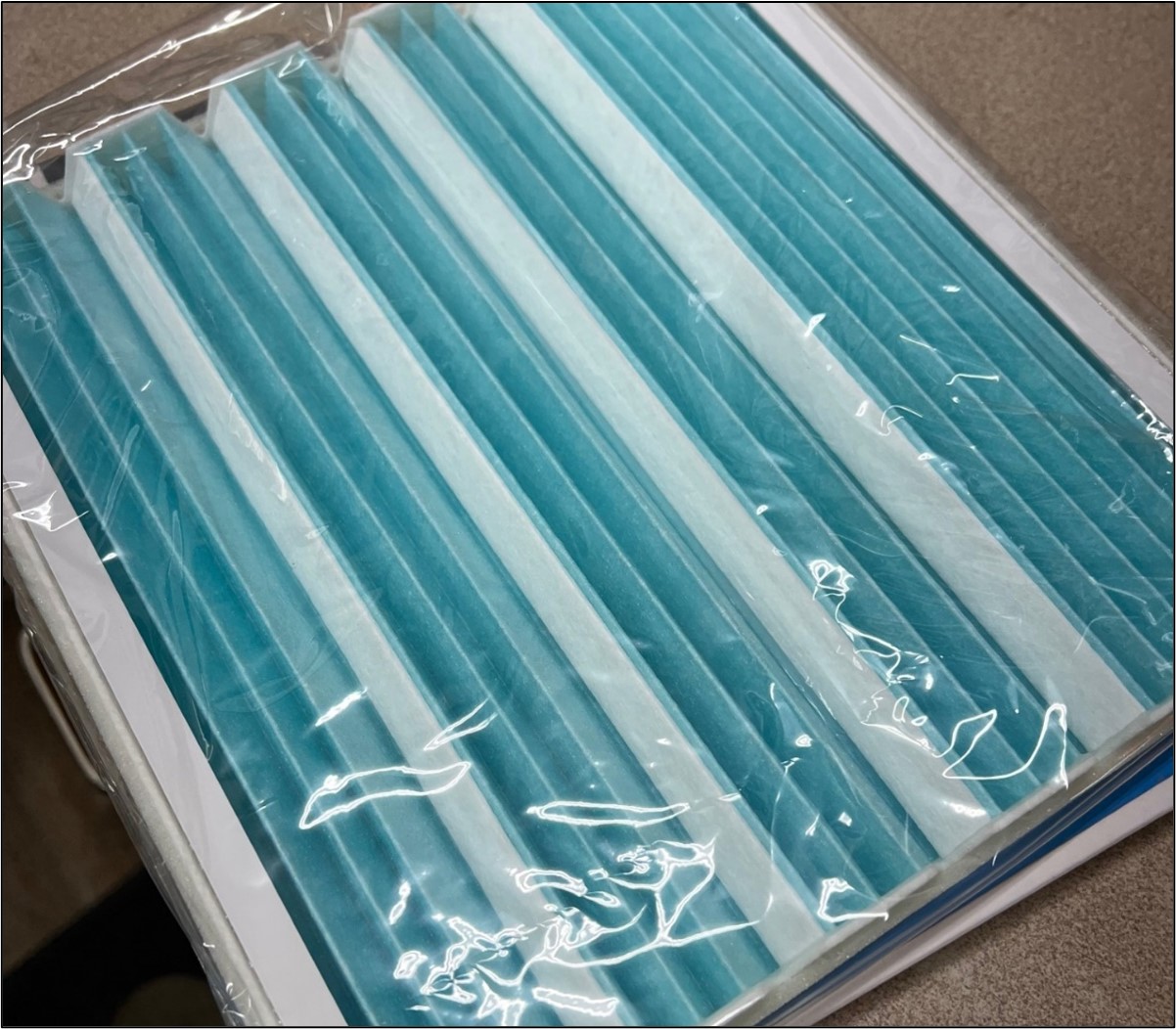
Cabin Air Filters, using the pleated filter design, didn’t arrive to the party until the late 70s. During that time, people began to become more environmentally aware and sought to improve the quality of air entering the inside of the vehicle. Cabin Air Filters were originally designed to primarily capture pollen and dust.
Over time they evolved with the infusion of activated carbon in the filters to capture odors and gaseous pollutants like hydrocarbons and nitrous oxides. Most vehicles today use cabin air filters to improve the quality and comfort of the vehicle occupants.
One more side benefit of both filters, especially in our rural area, is they tend to be the last wall of defense preventing small rodents from entering the inside of the vehicle and the internal engine components. Many times, we have seen the air filter boxes filled with mouse house items, dog food, or seeds. It is quite amazing how much stuff those little buggers can pack into such a small area.
Sometimes a good vacuuming and filter replacement is all that is needed to restore the vehicle to proper operation. Other times, it can be quite involved and very costly to properly repair the vehicle. The best defense to rodent intrusion is using the vehicle on a regular basis. Vehicles that sit for long periods of time in the same spot are very inviting to the little rascals.
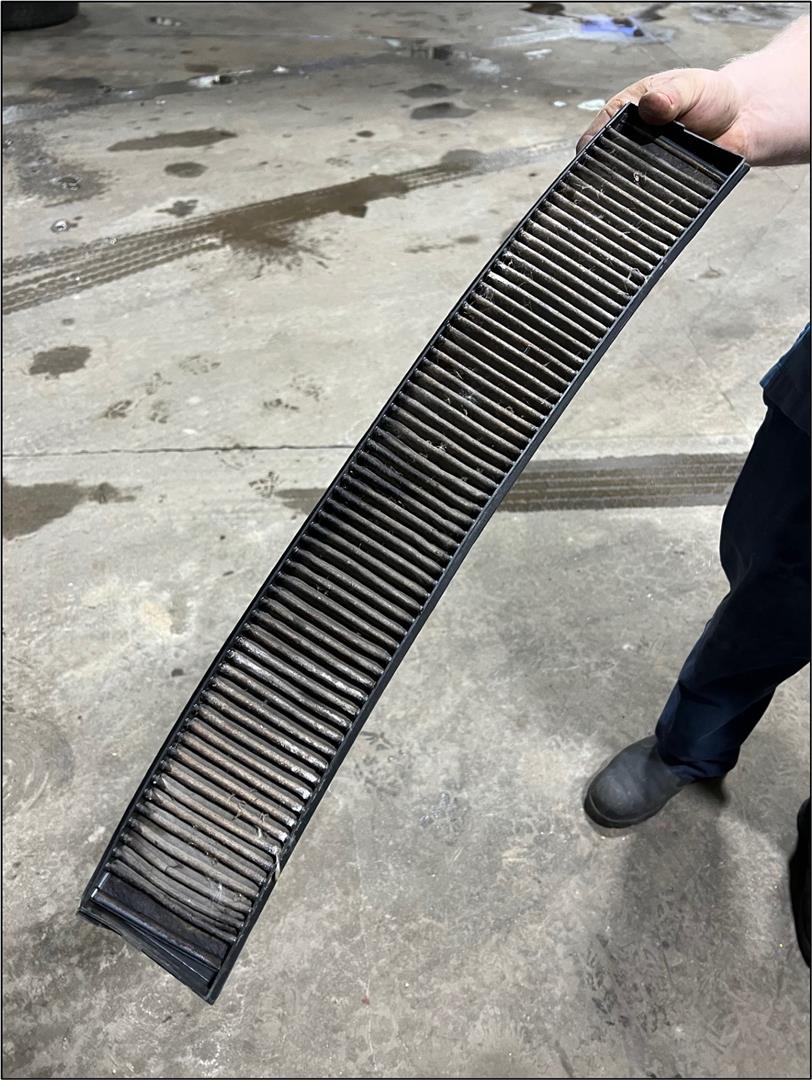
So, what does all this mean to you, the vehicle owner? What important information do you need to know?
Engine Air Filters
- Designed to keep abrasive grit and dust out of the engine to prolong engine life.
- Uniquely designed for your specific application.
- Pleated design effectively captures contamination while maintaining high air flow.
- Some heavy-duty applications also include a foam prefilter.
- Should be inspected at every oil change and replaced when needed or at a minimum, every other year.
- May need to be inspected and replaced more often if the vehicle is regularly operated in dusty environments.
Cabin Air Filters
- Designed to capture dust, pollen, harmful gaseous pollutants, and unwanted odors.
- Many are infused with active charcoal (activated carbon) to trap gaseous pollutants and unwanted odors.
- Greatly reduces dust build-up inside the vehicle.
- They should be replaced at least once per year, more often in dusty environments.
- Generally located behind the glove box in the passenger compartment.
Aaron Bjorklund