The Common Practice That Can Lead to the Early Death of Your Engine
It’s so common that it has become normal for most drivers. So normal that many people might think that I’m “paranoid and delusional” or “just trying to sell them something”, but that is not what is going on here. As I state my case, think about what you have been told in the past. What your Dad, or your Grandfather, or Uncle told you growing up. What the car salesman may have told you when you purchased your last vehicle. Perhaps some of the vehicle manufacturer literature you have read. Even what your vehicle is programed to tell you. Some of this information may be based on old information, much is based on what the manufacturer would like you to believe based on testing in ideal operating conditions. Maybe it’s a buddy or neighbor who thinks he’s a “mechanic” because he can keep his lawn mower running or, heaven help us, you saw it on TikTok.
So, what’s this common misconception that can lead to the early demise of your engine? Extended oil change intervals…. I can hear a few of you snickering right now. You’re thinking, “This guy is trying to tell me that going a little over my oil change interval is going to kill my engine?” Yes, that is exactly what I am telling you! But you always have the oil changed when the vehicle says it’s time for service. Or, you just went “a little over” the oil change sticker on the window. That should be good enough, right? Not in most cases. Let’s look at vehicle oil change reminder systems and how the “little over” thought process adds up over time.
Most modern vehicle oil change reminder systems operate very similarly. Except for a few hold outs, like Toyota for example, oil change reminder systems are based on a mathematical computer algorithm that estimates the remaining life of the engine oil based on several vehicle inputs. Key factors that are used in the estimate calculation are:
- Engine revolutions – Total RPM history.
- Engine operating temperatures – Oil temp, coolant temp, and ambient temperature extremes.
- Driving patterns and conditions – Short trips, cold starts, stop-and-go traffic, aggressive acceleration, hard braking, and engine load.
- Miles driven – Total miles driven since last service.
- Time/calendar duration – Time since last service. Most manufacturers recommend service at least once per calendar year. Some recommend service every 6 months regardless of miles or other factors.
- Other operating variables – Like towing, high engine loads, and/or use of ethanol.
As stated above, the computer estimates when service is due. It is not an exactament! Extended service intervals make the vehicle manufacturer look good because they “reduce the cost of ownership” by lowering vehicle maintenance costs. That’s the argument on paper. Think about it from a vehicle manufacturer perspective. They want to sell you a vehicle that appears reliable. They definitely want it to last longer than the factory warranty period to reduce their warranty costs. They want to present the image of value, so you come back to purchase another vehicle. It’s not in their best interest to recommend a maintenance schedule that keeps a vehicle reliable well over 200,000 miles. Based on 2025 data in the US, the national average life expectancy of a vehicle engine is about 160,500 miles! The crazy real-world fact is that the quality of modern engine manufacturing facilities combined with the precision of engine computer control systems and a consistently serviced and properly maintained engine can regularly exceed 300,000 miles of reliable service! Meaning that consistent and regular oil changes may potentially double the life of your engine!
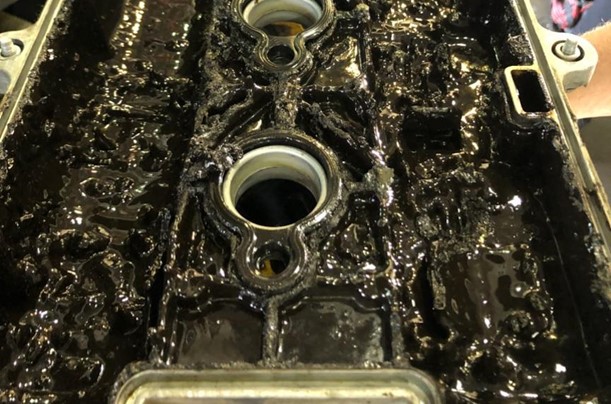
The engine killing monster that extended oil changes feed and produce is called “Sludge”. Oil sludge is created from oxidized or broken-down oil, carbon deposits from incomplete fuel combustion, dirt, metallic particles, moisture, and other contaminants. In chemical terms, it’s often described as a mix of organic acids, resinous/varnish-like compounds, high-molecular-weight polymers, and insoluble particulates suspended in a thickened oil matrix. The key contributing factors that accelerate the production of sludge are:
- Extended oil change intervals – Allows contaminates and degraded oil to build up unchecked.
- Repeated short trips – Trips that don’t allow the engine to reach operating temperature leads to condensation build-up and poor blowby gas ventilation.
- Poor PCV (Positive Crankcase Ventilation) function – Traps moisture and blowby gases.
- High operating temperatures – From heavy loads, towing, poor cooling, or extended idle times.
- Low oil levels – Lead to increases in heat and concentration of contaminates. Which can also lead to increased oil consumption.
- Low-quality or incorrect oil – Lacks sufficient antioxidants, detergents, or dispersants to combat oxidation and suspend particles.
- Severe driving conditions – Stop-and-go traffic, extreme heat or cold, dusty conditions, or ethanol-blended fuels (which can increase moisture/fuel dilution).
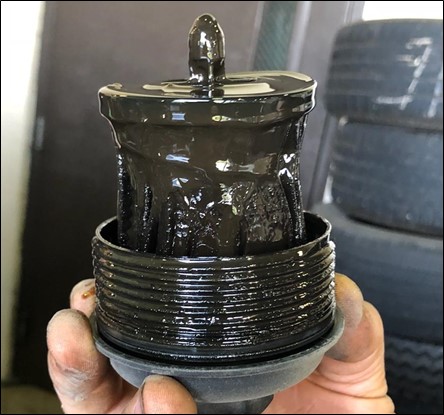
Can changing your oil regularly really make that big of a difference? Yes, it absolutely can! Story time. A great friend of mine worked at a quick lube for many years. They performed thousands of oil changes during that period. The winner of the “most miles between oil changes” game was a gentleman that purchased a new car from a dealer. He said he didn’t care much about the car and just added gas when needed. He showed up for his first oil change with 72,000 miles on the vehicle. They attempted to change oil, but after 72,000 miles there wasn't much for liquid oil left in the engine. They completed the oil change and sent him on his way. The guy made it less than a mile before the engine completely failed. My friend said that the runners up in the “oil change game” were 58,000 miles, 52,000 miles, and 45,000 miles. Yes, I’m shaking my head in disgust as I write this.
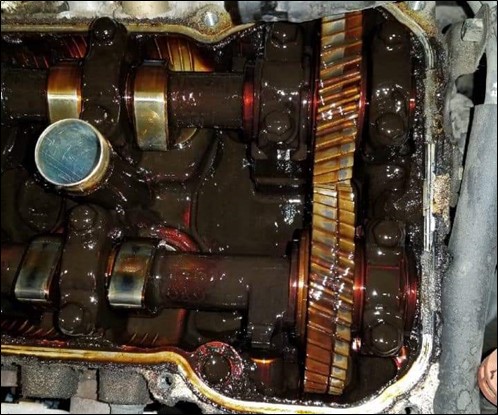
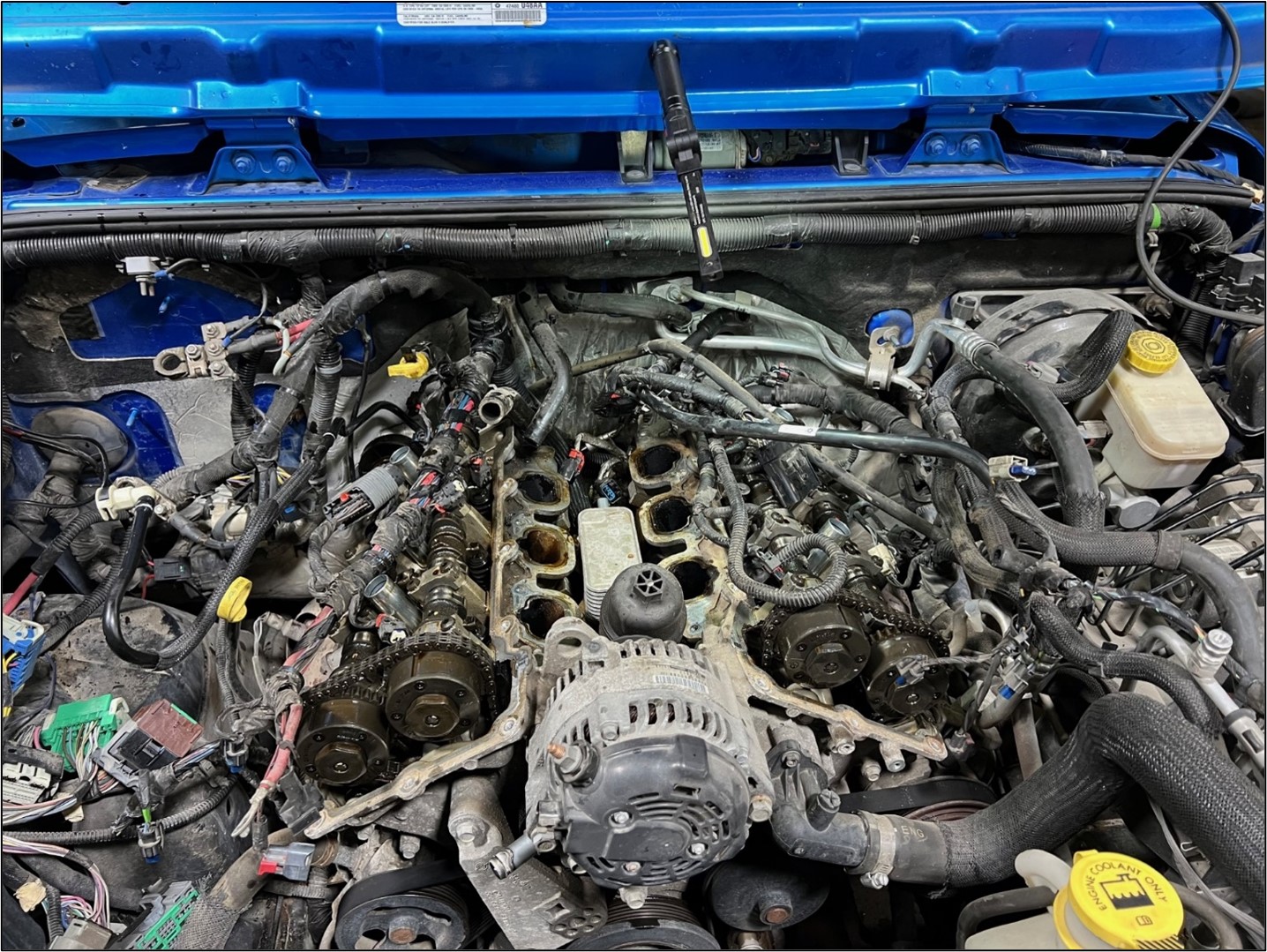
Let’s consider the cost difference of extended oil changes using a real-world example. You’re driving a 2012 Buick Enclave with a 3.6L V-6 engine. Full synthetic oil changes cost about $65. You change your oil when the light comes on, or maybe a “little over”. Somewhere between 7,000-10,000 miles between oil changes. The Buick has about 175,000 miles on it. It seems to run ok, but it’s started consuming some oil. Sometimes as much as 2-3 quarts between oil changes. You try to remember to check the oil level but sometimes you forget to. A few times the shop has mentioned that the oil level wasn’t visible on the dipstick or at the very bottom of the stick when you had your oil changed. One day you are on your way to work, and the engine starts making some unusual noises. You brought it to the shop, and they tell you that the timing chain has failed and is causing the noise. They can replace the timing chains, camshaft actuators, and guides for about $4000. You tell them to go ahead because you need a car to get to work. They start to disassemble it for repair only to find the damage is worse than expected due to the sludge build-up and metal dispersed throughout the engine. They tell you the engine will need to be replaced. It is now going to cost about $9000 for a used engine or $15,000 for a new engine. The problem is many of the used engines that are available have around 160,000 miles on them and may not be in any better shape than your engine that just failed. What are the chances that the vehicles in the salvage yard had regular and consistent maintenance performed on them? Suddenly, the $850 you saved on extending out your oil changes doesn’t sound like much of a savings.
So, what is the best practice for oil change intervals? My recommendation is to have your oil changed at least once per calendar year, regardless of how many miles you drive the vehicle. A good general rule is to change your oil every 5000 miles when using full synthetic oil and every 3000 miles when using conventional oil. That mileage interval recommendation may need to be adjusted depending on how you use your vehicle and the environment the vehicle is used in. Harsh conditions and/or heavy towing may necessitate the need for reduced mileage intervals. What if you haven’t been consistent with your oil changes but want to start? Can the useful service life of your engine be restored or extended? In many cases, yes it can! We offer a Dynamic Engine Restoration service, a.k.a. “The Sludge Buster”, that has been developed to clean and remove accumulated sludge deposits. This system has been chemically engineered to clean the sludge deposits and suspend them in the oil to be removed by draining the oil. Followed by a rinse process to further clean the internal engine surfaces and components. We have found this service effectively cleans accumulated sludge deposits and restores engine oil flow back to manufacturer requirements. It doesn’t work in every situation, but we have restored many engines that were on their way to permanent retirement. It’s still much better and more cost-effective to have your oil changed regularly.
To be honest, this article is my opinion based on 30+ years of experience in the real world of automotive service and repair. I have dissembled many engines with varied service histories. I have seen what accumulated sludge build-up does to the inside of an engine and its internal components. It’s not pretty and it’s completely preventable by regular and consistent service. Use good quality oil, top tier fuel, and see your trusted and experienced automotive service provider, like Sanderson Auto Repair, often to maximize the useful life of your vehicle.
Aaron Bjorklund