Wipers and Windshield Coatings
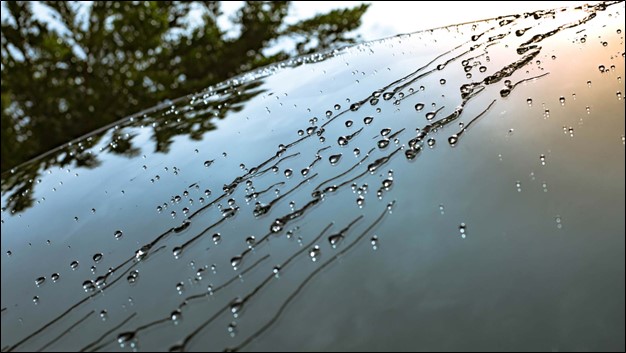
Vehicle windshields first started out as an optional luxury feature in early vehicles beginning in about 1904. The early versions were made of simple plate glass and could fold out of the way for cleaning and were removable. They became standard equipment in 1915 Oldsmobile vehicles. By the 1920s they started using laminated glass to make them more robust and protect vehicle occupants from glass shards. The first curved windshields showed up by 1934 to reduce drag and improve aerodynamics.
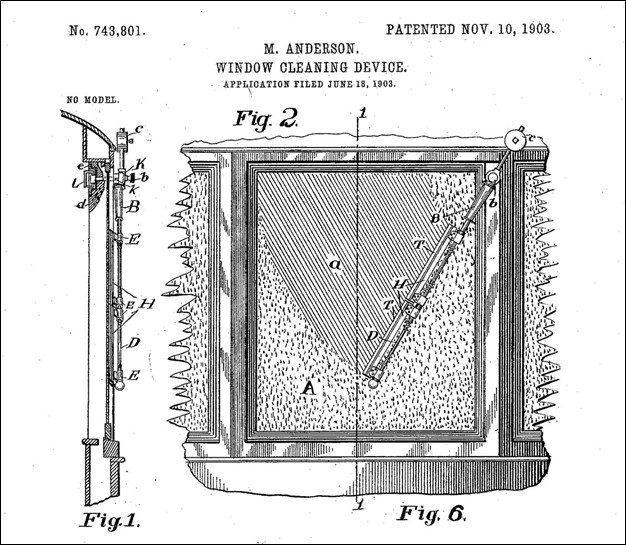
Wiper blades share a similar history and have an interesting story of origin. The invention of wiper blades, as we know them, is credited to Mary Anderson during a trip to New York in the winter of 1902. She was riding on a streetcar (aka trolley) and observed the driver struggling with poor visibility. The driver had to frequently stop the vehicle, open the split pane window, and lean out to manually wipe away the melting snow, exposing himself and his passengers to the elements.
Mary thought that there must be a better way and started sketching ideas right there in the streetcar. Once Mary arrived back home, she continued to refine her design for a manually operated rubber wiper blade. She filed her patent for the “Window Cleaning Device” on November 10, 1903. She attempted to market the idea commercially, but it never took off for her.
Mechanical wiper blades became standard in many vehicles starting in about 1913. Mary should have profited from her design, but she received no financial benefit because similar wiper designs emerged independently from hers and were different enough not to fall under her patent parameters. Mary’s invention laid the groundwork for the modern windshield wiper systems.
The next major improvement in windshield safety and visibility was in 1971 when Howard Ohlhausen from Chicago, Illinois invented and patented one of the earliest “invisible” hydrophobic coatings for glass windshields. Hydrophobic surfaces cause water to bead together and easily slide off the surface.
Howard created a silicone-based formula that rendered nonporous surfaces water, dirt, and stain repellent while enhancing scratch resistance. By 1972, Ohlhausen and his sons trademarked Rain-X as a glass treatment and rain repellent specifically designed to improve driving safety by causing water to bead up and slide off windshields.
Now that you know the history of vehicle windshields, wipers, and hydrophobic coatings, what’s important for a vehicle driver to know today? Let’s investigate it.
Windshield Protection and Visibility
Vehicle windshields are your first line of defense protecting you from many hazards like bugs in your teeth, sandstorms, the occasional flying food products, and of course wayward chickens. They are surprisingly hardy due to their laminated curved design.
Yes, they will crack when that rock falls off the dump truck at 70 MPH, but it is much better than catching that rock with your face. I recently learned that pitted or scratched windshields are sometimes repairable. If you run your fingernail over a scratch or pit and it doesn’t catch, it may be able to have the surface repaired to almost new clarity by many windshield companies.
Most chips or cracks will require a windshield replacement to correct the problem. Many comprehensive insurance policies will cover windshield replacements without a deductible cost. Check with your insurance agent to see if this applies to you.
Newer vehicles with ADAS (Advanced Driver Assistance Systems) components like adaptive cruise control, lane assistance, and/or crash avoidance will require recalibration during windshield replacement. If you need your windshield replaced, check with your insurance agent and the glass company to ensure the calibration cost is covered with the windshield replacement.
Wiper Blade Maintenance
Vehicle wipers are considered vital safety equipment for vehicle operation. For optimum performance, wipers should be replaced every six months due to rubber degradation from UV exposure and temperature swings. Freezing winter temperatures are especially hard on wiper blades.
Who hasn't wrecked at least one set of wipers frozen to a windshield because we couldn’t be bothered with properly scraping the windshield in the morning?
A minimum recommended replacement period is at least once per calendar year. Don’t be like most folks and wait until the wiper blades start to peel apart after two years.
The most common and best overall performing wiper is a beam style wiper blade. Available at every automotive parts store and many box stores. Many of the modern wiper designs can be challenging to install. Check with your local, trusted automotive repair facility. Many will install wiper blades for free when you purchase the blades from them.
Windshield Coatings
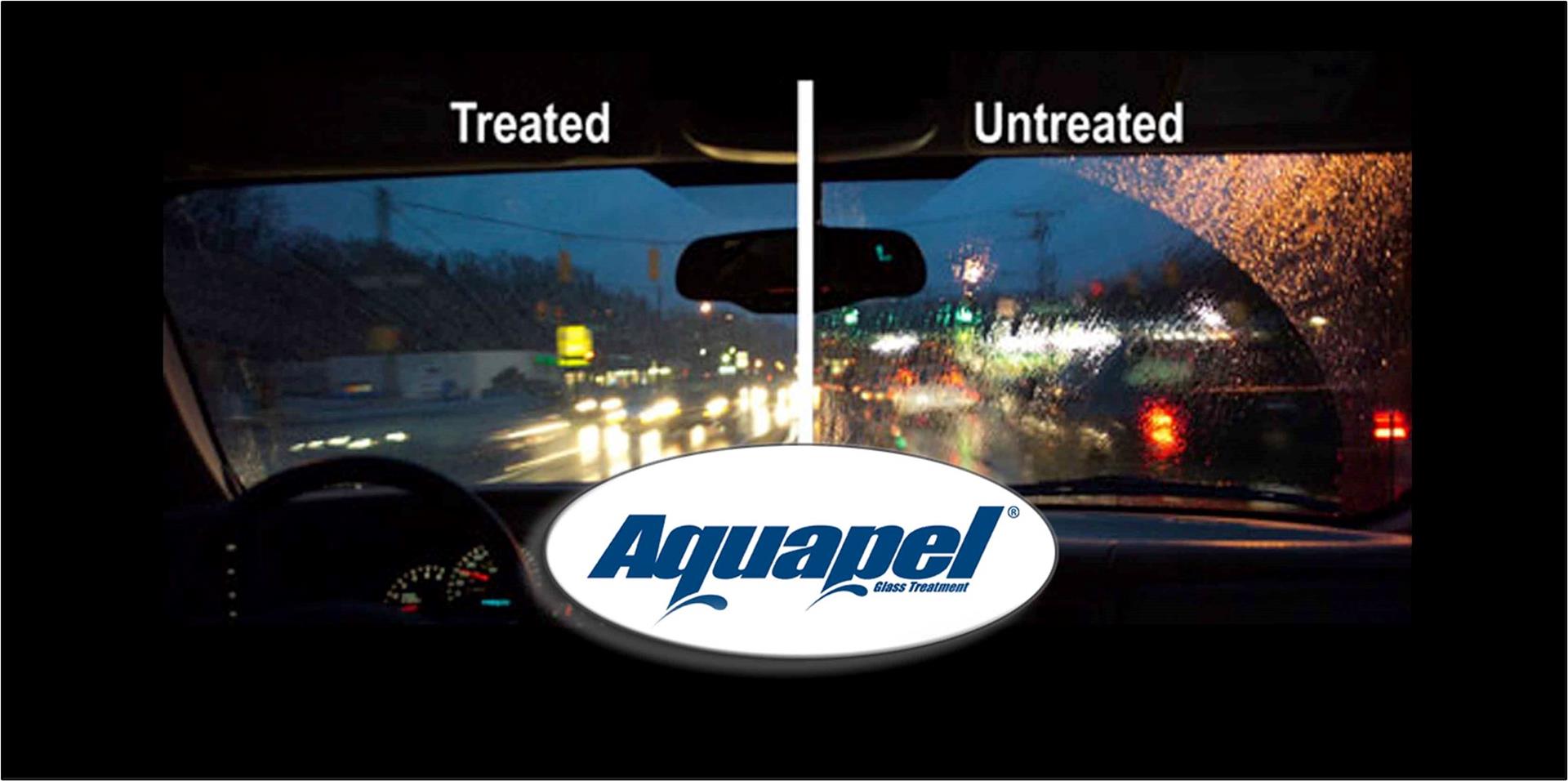
Windshield coatings are a great way to improve the performance of your windshield and wiper systems. Many can enhance clarity while allowing moisture to bead up and roll off your windshield. They can greatly improve visibility at night and during inclement weather.
Rain-X is the original and still works well but requires frequent reapplication to retain optimum performance, usually every 30-60 days.
We have been using a product produced by Aquapel, which is similar to Rain-X in application and function but lasts much longer on the customer’s vehicle. Many times, it lasts at least 6 months per application.
Some vehicle glass companies can install ceramic coatings on windshields that can last as long as 2-5 years depending on the operating conditions. Those coatings require specialized application procedures and extended cure times but are a great way to enhance the performance of your windshield for an extended period of time.
Why Visibility Matters
Windshields are an important safety feature on any vehicle. You need to safely see where you are going to properly pilot your metal missile.
Yes, you might think you can see “good enough” out of that three-inch hole you scraped in your frosty windshield this morning, but the reality of hitting something unseen increases substantially when you can’t properly see where you are going.
We recently had a customer that had their vehicle towed into our shop because he “hit something”. He said the defrost in the car wasn’t working properly, which caused his windshield to frost/fog over and obstruct his vision, causing the collision.
He certainly did collide with something that damaged his radiator, radiator mount, AC condenser, coolant line, engine cradle, and engine oil pan, which of course dumped all the engine oil on the ground, leading to probable engine failure. The damage was significant enough to total the vehicle.
Now for the rest of the story… His vehicle was equipped with automatic temperature control which delays the defroster fan speed while the vehicle engine warms up. The customer was too impatient to give the vehicle some time to warm up and ended up driving over some landscaping in the yard leading to significant vehicle damage.
Which would have been prevented if the customer could have seen where he was driving through a clear windshield.
Scrape your windshield properly and fully during cold weather. Replace your wipers every 6-12 months with a quality wiper blade and consider a windshield treatment to enhance visibility during inclement conditions — hopefully allowing you to avoid the big landscaping rocks in your yard.
Aaron Bjorklund